An Obituary

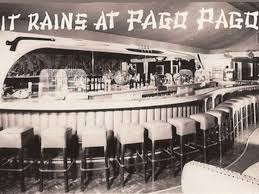
Eddie’s Pago Pago opened in the 1940s at 131 East First Street in downtown Long Beach — the flagship of two Pago Pagos run by Eddie Brandhorst, the other being a smaller sister room at 319 North Palm Canyon Drive in Palm Springs.
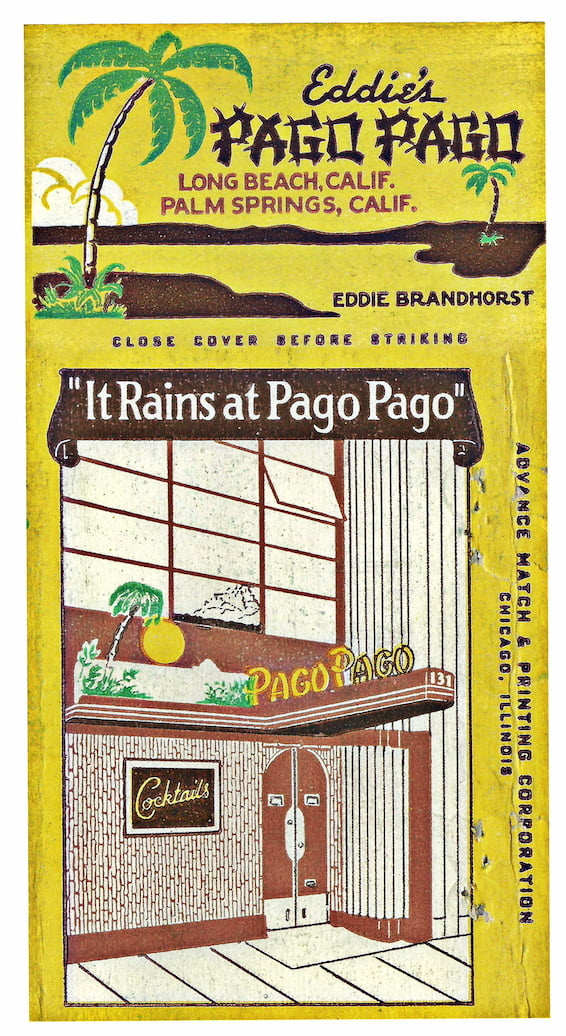
The Long Beach room anticipated the Tonga Room and every Polynesian Pop water-feature room that followed it. Brandhorst staged rainfall on the roof, ran dancers, and decked the interior in murals of Pago Pago nymphs painted by a Long Beach artist named Allan Woods — a defense Brandhorst once published in the Desert Sun read, in part: “Ladies, do not fear for your husbands in the Mural Room. I know how they gaze at the Pago nymphs on the Pago walls — but they’re only painted there.” It opened just after the war, when the West Coast was full of returning Pacific veterans, and ran the full arc of the genre.
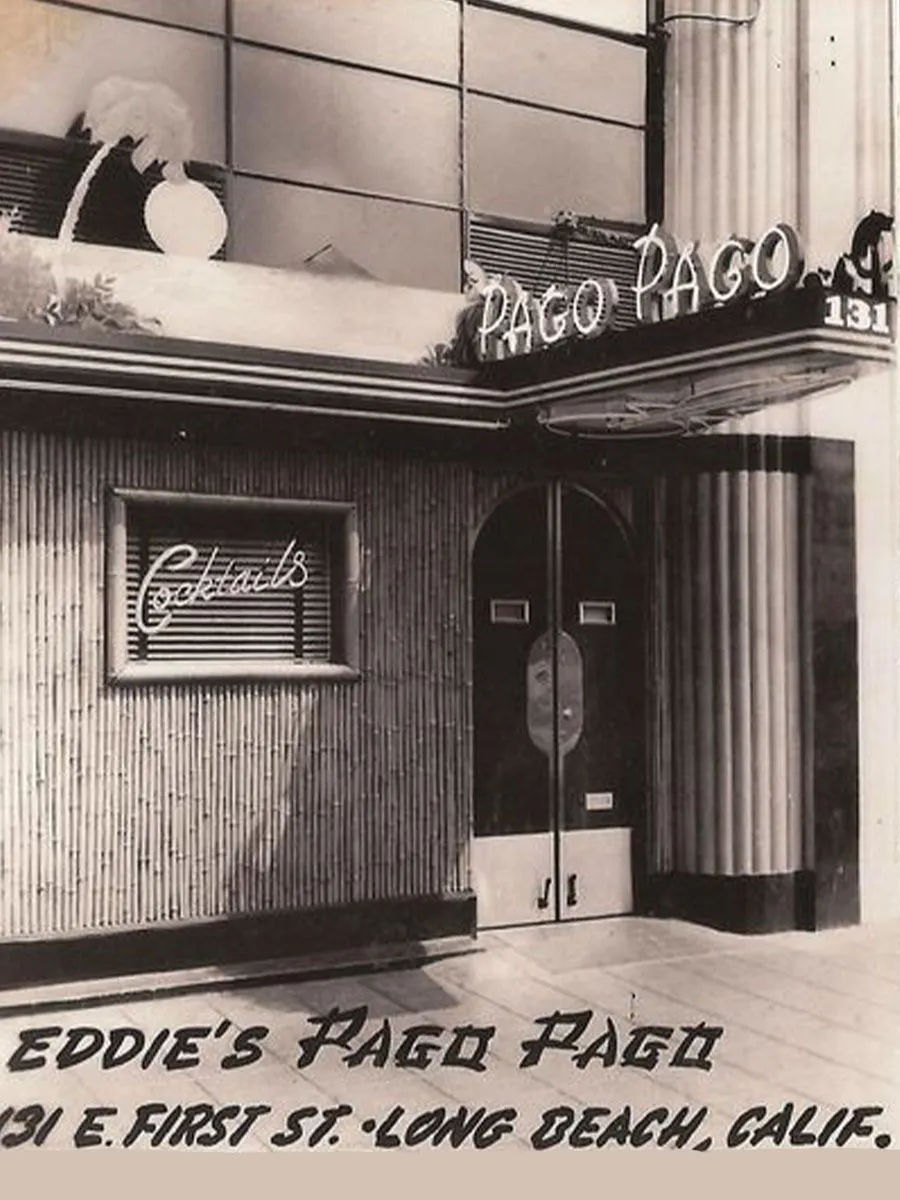
The address kept selling cocktails after Brandhorst was gone — by 1963 it had reopened as a room called Pacific, same building, same room, different operator. Pacific ran through the late 70s before the tiki collapse caught up to it too.
Long Beach in the postwar years was thick with Polynesian rooms — apartment complexes, motels, hotel lounges, drive-ins. By 1990 nearly all of them were gone, and by the time anyone got nostalgic, the buildings were too. There is now exactly one full-time tiki bar in Long Beach. It opened in 2019.